Improving health & wellbeing


We provide specialist medical equipment for children in hospital
MedEquip4Kids improves the health and wellbeing of babies and children in the UK by providing equipment and facilities not available from limited NHS resources. We also deliver the Hummingbird Project, a programme of mental health workshops in schools.

Donate now
Our Projects
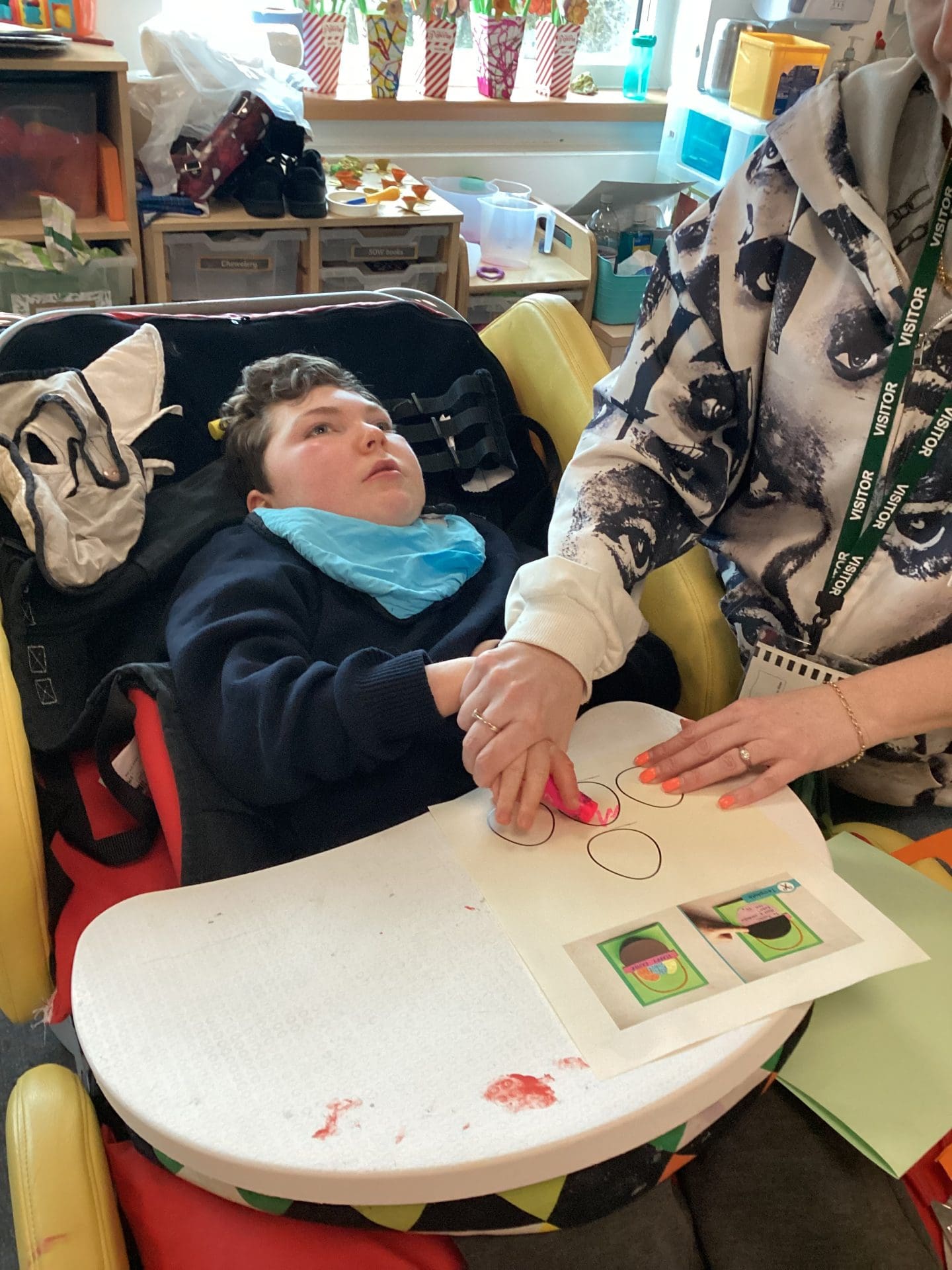
Community CAMHS South Nottingham
New play therapy resources are helping children supported by Community CAMHS South explore difficult feelings, manage anxiety and find a safe space through imagination and play.
Find out more →Mersey & West Lancashire Teaching Hospitals NHS Trust – Phototherapy for Hospital and Home
Jaundice is common in newborn babies and for healthy full-term babies is often mild and needs no treatment. However, it is more prevalent in sick or premature babies and, when left untreated, can be life-threatening. Phototherapy is usually administered in an incubator while the baby wears only a nappy, so as much skin as possible […]
Find out more →Countess of Chester Milk Bank – L.E.G.A.C.Y project
The Countess of Chester Hospital Milk Bank have asked for our help to fund their L.E.G.A.C.Y (Lactation Equipment for Giving Milk and Commemorating Young Lives) project. They have requested 5 Spectra S1 hospital grade Breast Pumps for use by bereaved mothers who chose to express and donate their milk in memory of their baby through […]
Find out more →Support Us






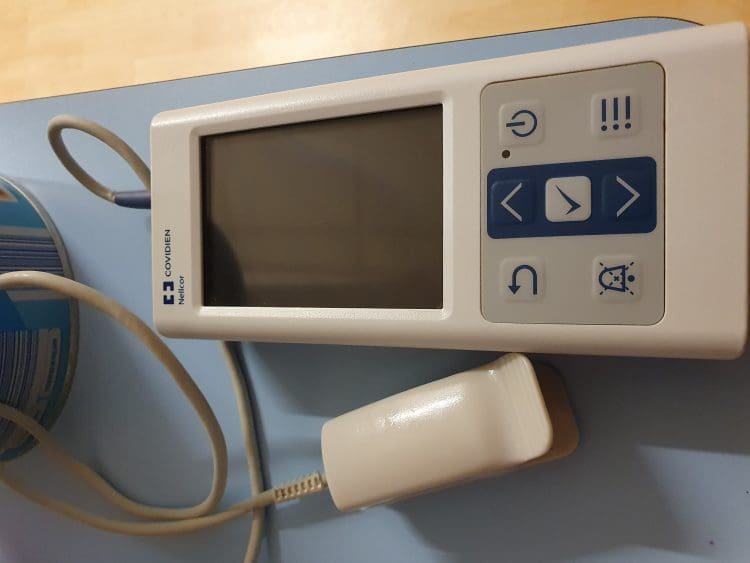
“During winter months our admissions of children with respiratory conditions increase, so these saturation monitors are vital to us being able to safely monitor children. They will allow us to monitor more children both continuously through their stay with us and at intermittent times during their visit. Staff will find the additional units make their jobs easier.”
Jayne Simpson
Ward Manager
Royal Bolton Hospital