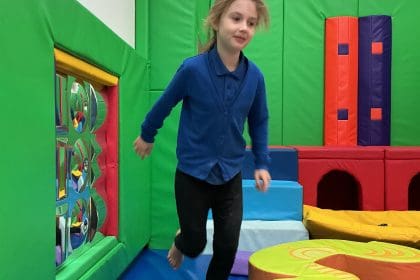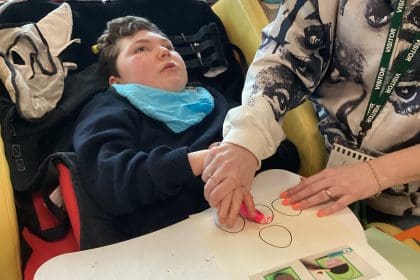
Eight-year-old James* was referred to Child and Adolescent Mental Health Services (CAMHS) with violent and aggressive behaviour. During the course of their involvement with James, he was diagnosed with autism spectrum disorder. He has also undergone a sensory profile assessment and been found to have sensory processing difficulties. In addition, James has been diagnosed with severe anxiety.
Thanks to equipment provided by MedEquip4Kids, CAMHS were able to help James and his family in a number of ways. Due to James’s sensory processing difficulties, he struggles with noisy situations and this causes him to feel anxious and worried. By wearing ear defenders provided by MedEquip4Kids, he can block out noise, which decreases his anxiety and allows him to engage in therapy sessions and activities.
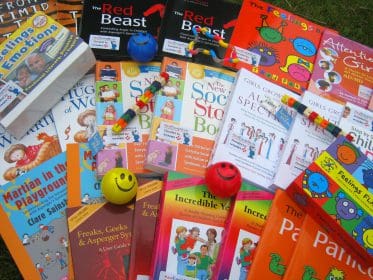
CAMHS were also able to lend his family books about autism spectrum disorder, which was useful as not all his family members understood the condition and what it meant for James. They have been able to read more about it in their own home after their appointments.
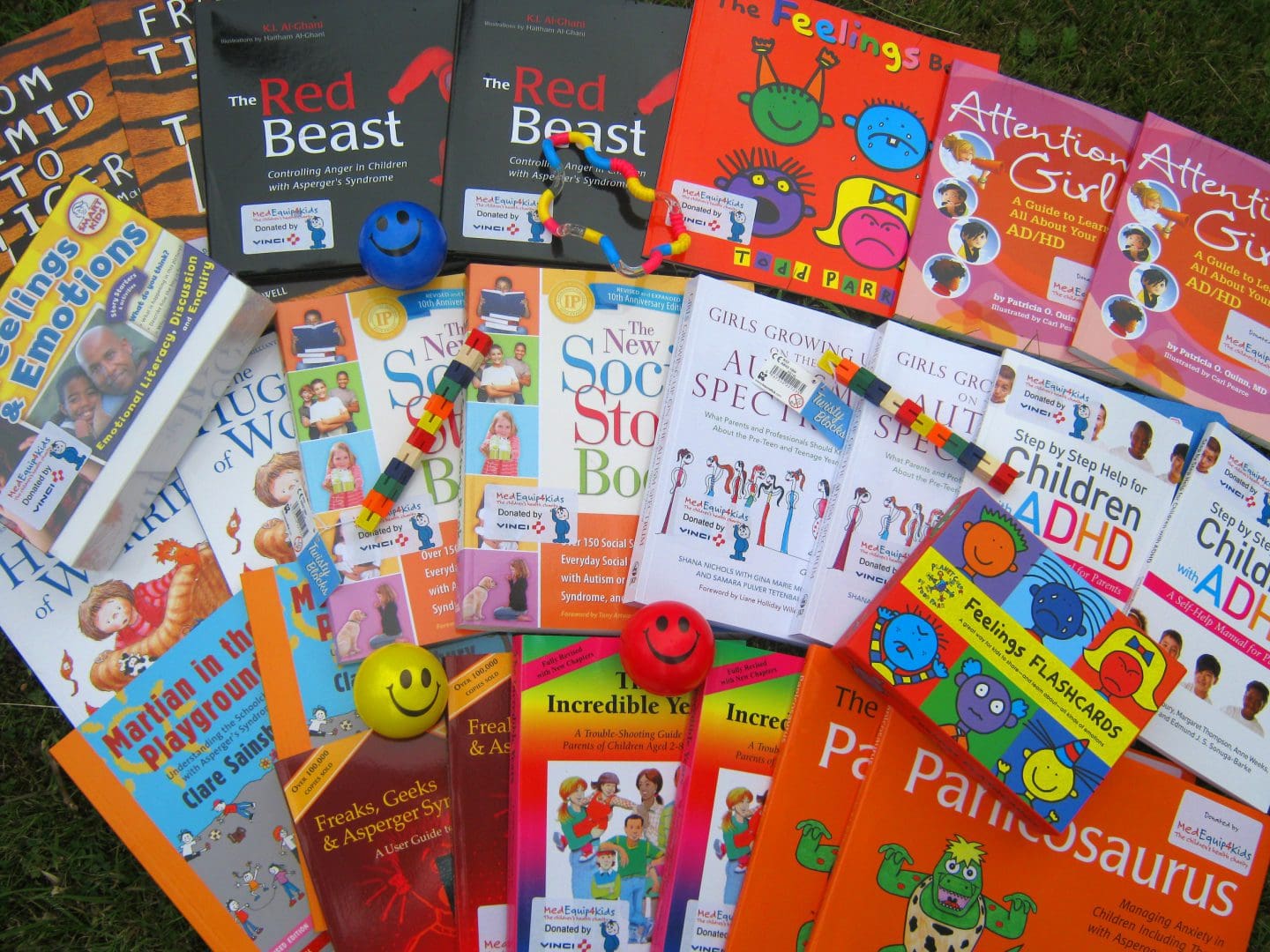
James didn’t really understand what having autism spectrum disorder meant either. MedEquip4Kids provided a range of children’s books and staff have been able to read these books with James and increase his understanding.
James still finds new situations difficult and needs lots of preparation for them. By using ‘social stories’ which describe a new experience James may encounter, staff can help him and his parents prepare for new situations and decrease his anxiety around these. These social stories were also provided by MedEquip4Kids.
*To protect his identity, James’s name has been changed.