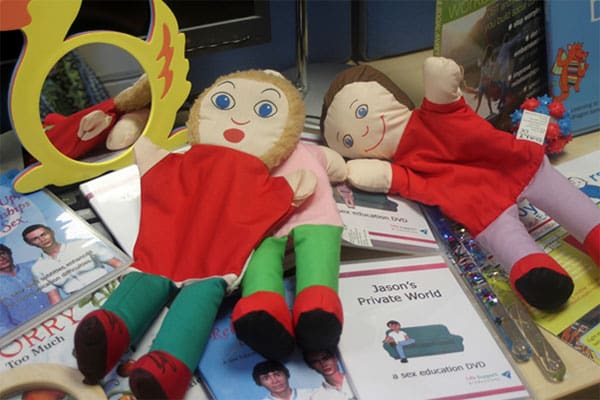
The Children’s Accident and Emergency Department at Calderdale Royal Hospital sees around 16,000 children a year who are sick or injured and need emergency care. Visiting A&E may be scary and confusing for children, but having a calming and welcoming area to wait in can help to alleviate worries and stress. The team at Royal Calderdale want to upgrade their existing waiting room to a bright, spacious area with sensory wall panels and an LED projector to create soothing lighting effects. The equipment should last at least 15 years, benefiting many thousands of children visiting the A&E unit each year.
Donate now
More Projects
Warrington & Halton NHS Trust – Resuscitaire and Mobile Telemetry Unit
Warrington & Halton NHS Trust Midwifery Led Unit / Active Birth Centre opened in 2013. It consists of 3 ‘low risk’ rooms and 2 fixed birthing pools and is currently accessed via the labour ward triage. The plan is to upgrade the MLU into a standalone unit to treat childbirth as a normal experience with […]
Find out more →
Fully Funded
Firwood School, Bolton – Acheeva Learning Station
Firwood School in Bolton is a specialist school for secondary aged students who have severe or profound learning difficulties. Many students also have physical disabilities which severely restrict their mobility. An Acheeva Learning Station is a special bed which allows physically disabled pupils to lie straight and work in a supported, balanced posture. It is […]
Find out more →
Fully Funded
Sheffield Children’s Hospital – AccuVein AV400
The Outpatients Unit at Sheffield Children’s Hospital treats around 10,500 babies and children each year.
Find out more →
Fully Funded
“This donation has enabled us to use more varied and useful therapeutic toys and games when working with children and young people with mental health difficulties, as well as using extra clinic rooms which are now more child-friendly. This has helped reduced anxiety about coming to CAMHS and meant that family therapy can be done. Both parents of a 10 year old boy can now attend with their 5 year old as the youngest child can play with our new resources in the waiting room or clinic space. The 10 year old benefited from therapeutic games about thoughts/feelings and we were also able to observe imaginative play for assessment.”
Dr Eleanor Oswald
Clinical Psychologist, CAMHS
Vale of Leven Hospital