Apply →
Menu

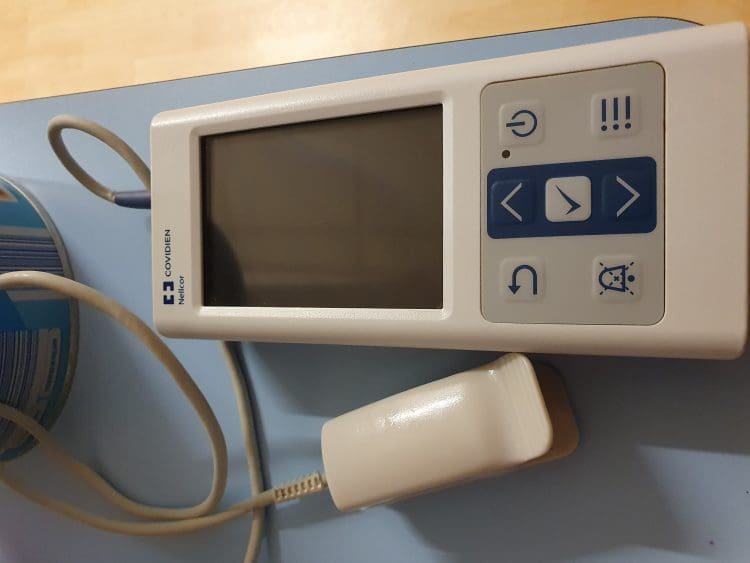
Veins in children and babies are not easily visible to the naked eye when performing invasive procedures such as inserting cannulas or taking blood samples.  The AccuVein AV500 is a handheld medical device that illuminates veins below the skin allowing the clinician to see and access the veins more easily. The vein finder improves patient experience by aiding the assessment of the vein site leading to more successful outcomes of first attempts.

The Tree House Paediatric Unit at Stepping Hill Hospital has two treatment rooms in constant use by both inpatients and those on the assessment unit. Each treatment room requires a new vein viewer due to decommissioning of a previous unit. The old model was in frequent use by the medical team but is now beyond repair. The AccuVein AV500 units will be used to treat approximately 1,800 patients per year. These babies and children have a variety of medical conditions and the availability of the vein viewer will make a huge difference to their hospital experience.
Donate now

Donate Amount(Required)

More Projects

Croydon University Hospital – incubator

One in seven babies in the UK needs specialist neo natal care after they are born. These babies may be born too early or with a low birth weight, or have a medical condition that needs treatment. Nearly 3,500 children are born in Croydon University Hospital every year, with over 400 babies requiring a stay […]

Find out more →
Fully Funded

Nottingham Children’s Hospital – toys and games

Attending hospital can be a distressing and anxious time for a child, especially for those whose treatments are unpleasant or cause discomfort and pain.

Find out more →
Fully Funded

Lancasterian School, Manchester – Acheeva Graduate Bed

This year we are providing two Acheeva Beds for Lancasterian School in West Didsbury, Manchester, a special school for children aged 3-16.

Find out more →
Fully Funded
View all projects →

“The specialist treatment chairs are a new vital resource for the therapy team and nursing staff to be able to safely and comfortably sit extremely complex, dependant, critical care patients out of bed. The chairs allow us to begin the patient’s rehabilitation journey by providing appropriate postural support at the same time as pressure relief to allow the patient to build the muscle strength to hold themselves up against gravity. This allows them to begin to interact with their environment in a more normal way, enabling them to participate in meaningful activities such as meal times and activities of daily living.”

Physiotherapy Team
Critical Care Unit
Royal Preston Hospital

Sign Up To Our Newsletter

By signing up to our newsletter you agree to our privacy policy