Apply →
Menu

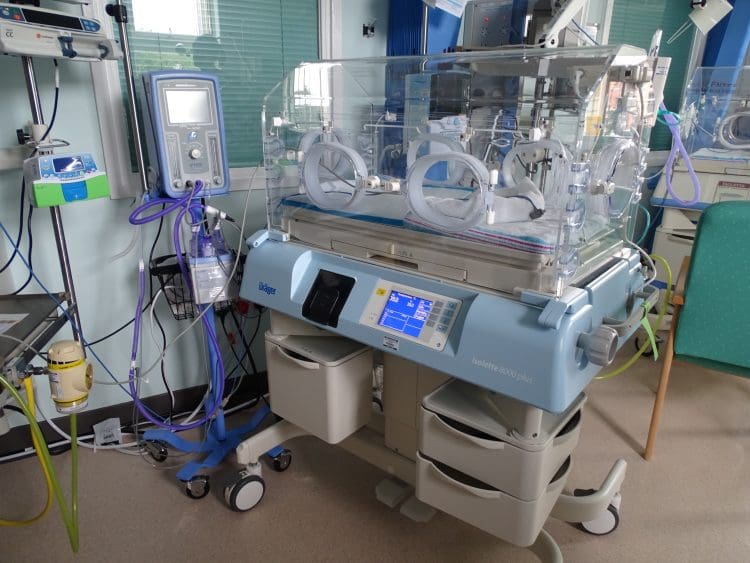
The Neonatal Unit at Macclesfield District General Hospital cares for babies from across the East Cheshire area. Many of these will suffer from Jaundice as it is very common in new born babies. The treatment for jaundice is by phototherapy which alters the bilirubin in the body allowing it to be excreted.

A preterm or sick baby is more likely to develop kernicterus and permanent brain damage from Jaundice if bilirubin is not reduced to safe levels in the body. It is beneficial for the baby for the phototherapy treatment to be completed over a shorter time.

The Neonatal Unit at Macclesfield has requested 4 new Phototherapy Units to replace the old, less efficient models that are currently in use. The new models will clear the bilirubin at a faster rate which will reduce the treatment time ensuring an earlier discharge from hospital.

Donate now

Donate Amount(Required)

More Projects

Southport and Ormskirk Hospital NHS – Trust Syringe Drivers

The Ormskirk & District General Hospital is a large facility serving West Lancashire including Ormskirk and Southport.

Find out more →
Fully Funded

NWTS – Intellivue MP5 Monitor

The North West and North Wales Paediatric Transport Service (NWTS) provide 24/7 stabilisation and transfer of critically ill children and babies. They mobilise from the base in Warrington with ambulance, clinical specialists and equipment to any district hospital in the North West and North Wales. The child/baby is transferred receiving full intensive care to regional […]

Find out more →
Fully Funded

Leeds Children’s Hospital – Dialysis Chairs

Leeds Children’s Hospital

Children and young people attend the Dialysis Unit at Leeds Children’s Hospital three times a week with a duration of five hours per visit. National data suggests that this population group will be dialysis dependent for at least 2 years before they receive a transplant. Some will be dependent for longer or sadly require dialysis […]

Find out more →
Fully Funded
View all projects →

“Infections of the central nervous system need urgent and appropriate treatment. Most laboratory methods can take from 24 to 48 hours for diagnosis of bacterial meningitis and three to seven days for diagnosis of viral meningitis or encephalitis. The new equipment will mean we can get results of these tests in around an hour. We’ll be able to inform the clinicians of a positive result, allowing targeted therapy and reassurance to the patients and families. Just as important is the reporting of negative results, which may enable treatment withdrawal and possibly a shorter hospital stay.”

Dr Pradeep Subudhi
Consultant Microbiologist
Royal Bolton Hospital

Sign Up To Our Newsletter

By signing up to our newsletter you agree to our privacy policy