
Apply →
Menu

The Paediatric Unit at Calderdale Royal Infirmary treats over 8,000 babies and children each year. Often parents and siblings accompany children on the visits to hospital and wait while treatment is administered. A number of patients staying on the unit have additional needs and require stimulation during their time on the ward.

The unit has asked for our help to create a room that will provide both a quiet space for difficult and sensitive conversations between clinicians and parents and also offer a sensory and stimulating play area for patients and visiting children. The installation of sensory lighting, projected visual effects and activity wall panels will make a huge difference to their experience of hospital. A bubble tube, mirrors and some sensory toys will complete the room, which could also be used to calm and distract agitated patients.
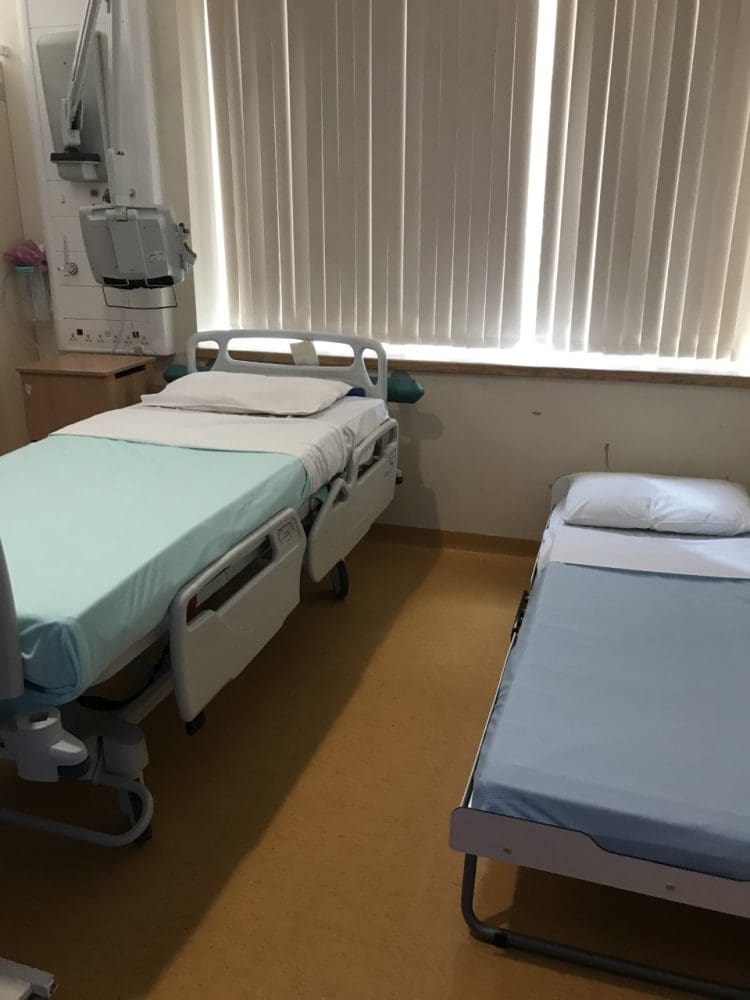

The total cost of providing this equipment is £568.63.

Donate now

Donate Amount(Required)

More Projects

Kings Mill School Driffield – Adjustable Sensory Bath

Kings Mill School in Driffield caters for pupils aged 2 – 19 with complex needs, including medical needs, and they also offer specialist provision for children on the autistic spectrum or with multi sensory needs.

Find out more →
Fully Funded

Sheffield Children’s Hospital – AccuVein AV400

The Outpatients Unit at Sheffield Children’s Hospital treats around 10,500 babies and children each year.

Find out more →
Fully Funded

Royal Bolton Hospital NNU Special Care – Cardiac Monitor

Royal Bolton Hospital has a level 3 Neonatal Unit which offers the highest level of care available to new born babies.

Find out more →
Fully Funded
View all projects →

“The specialist treatment chairs are a new vital resource for the therapy team and nursing staff to be able to safely and comfortably sit extremely complex, dependant, critical care patients out of bed. The chairs allow us to begin the patient’s rehabilitation journey by providing appropriate postural support at the same time as pressure relief to allow the patient to build the muscle strength to hold themselves up against gravity. This allows them to begin to interact with their environment in a more normal way, enabling them to participate in meaningful activities such as meal times and activities of daily living.”

Physiotherapy Team
Critical Care Unit
Royal Preston Hospital

Sign Up To Our Newsletter

By signing up to our newsletter you agree to our privacy policy