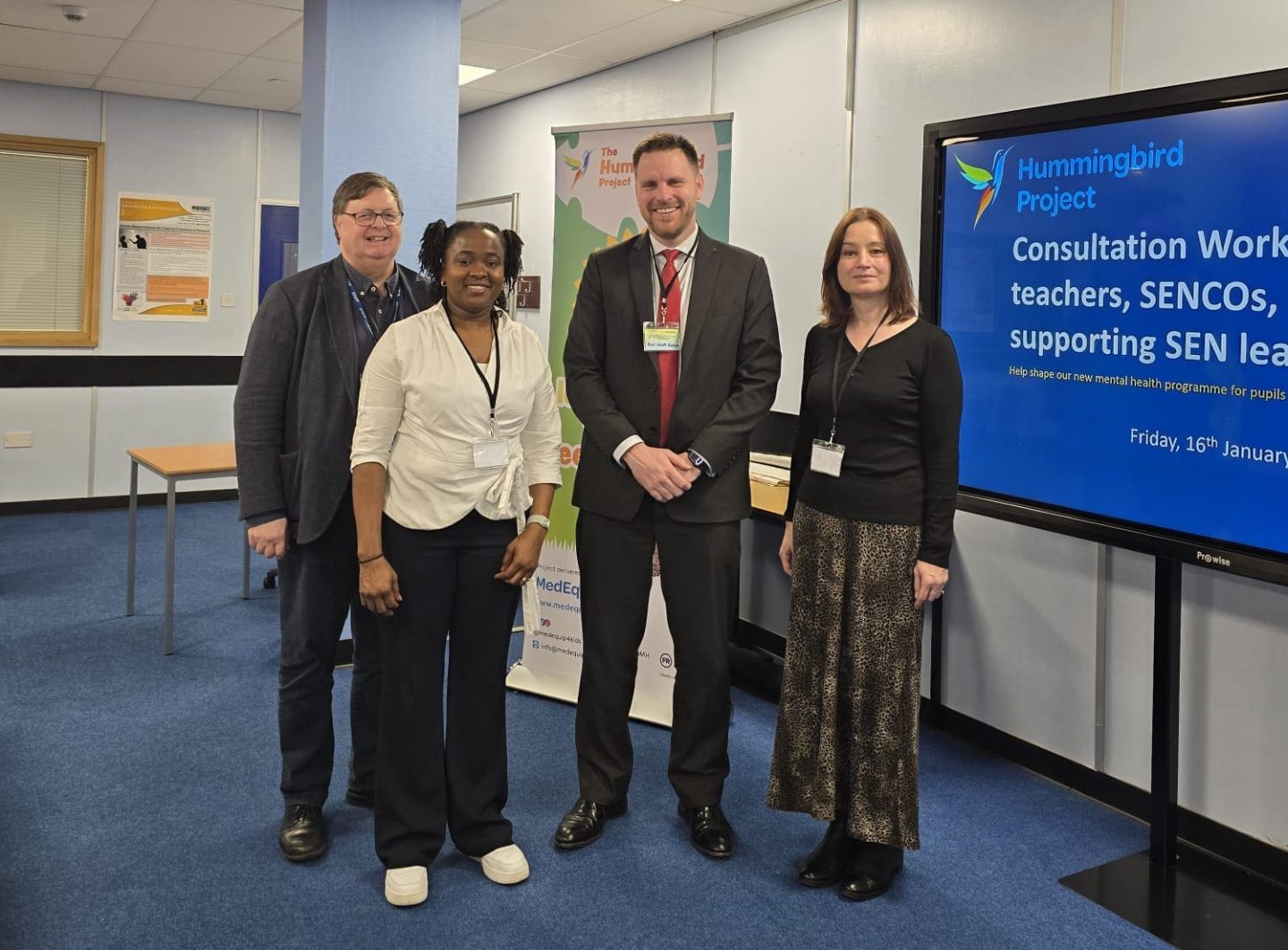
On 16 January we hosted the Hummingbird Project SEN Consultation Workshop at the University of Greater Manchester, bringing together SENCOs, teachers and education professionals from the Bolton area and across the North West to help shape the next phase of the project.
The half-day event centred around developing a new version of the Hummingbird Project, our free six-week Positive Psychology programme delivered in schools. Since 2017, the programme has supported nearly 10,000 pupils across the region, with evidence showing improvements in wellbeing and hope, alongside reductions in anxiety and depression. This workshop focused on how the programme can be adapted to better support pupils with Special Educational Needs (SEN).
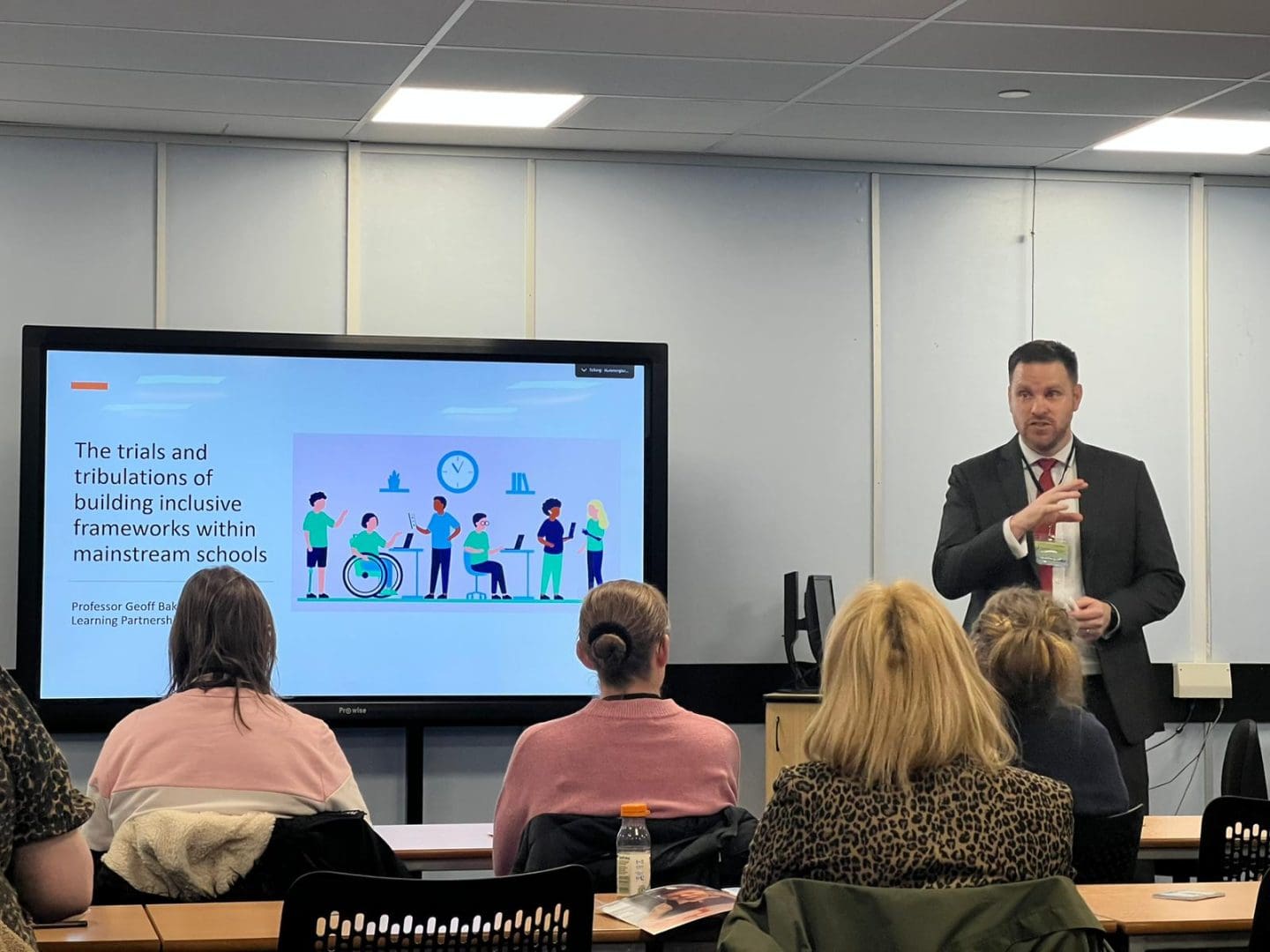
The day was chaired by Professor Jerome Carson from the University of Greater Manchester, whose long-standing academic partnership has been central to the project’s development. Delegates heard from Professor Geoff Baker, CEO of True Learning Multi Academy Trust, who delivered a powerful and thought-provoking presentation on inclusion, adaptive teaching and the evolving role of the SENCO. Drawing on his experience as a classroom teacher, SENCO, school leader and CEO, Professor Baker emphasised that inclusive schools are built through through aligned systems, shared responsibility and strong professional cultures.
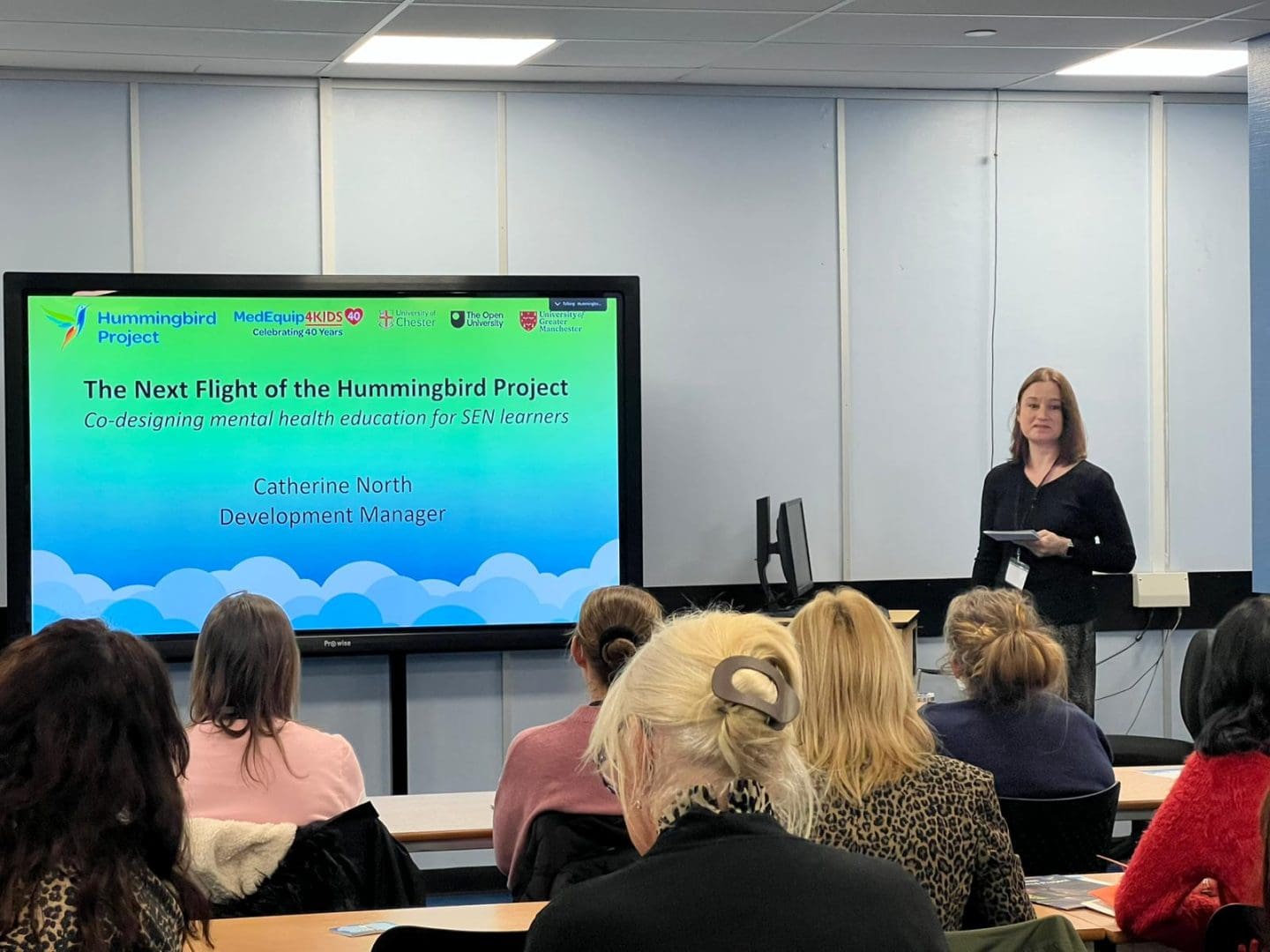
Catherine North, Hummingbird Project Development Manager, then introduced the origins and ethos of the Hummingbird Project, reflecting on both the growing mental health challenges facing children and her own personal motivation for developing preventative mental health education in schools. She highlighted the urgent need to ensure that wellbeing education is accessible to all learners, particularly those with additional needs.
The final presentation was delivered by Sonia Ebenezer-Bamigbayan, Hummingbird Project Co-ordinator and the researcher leading the SEN project, who shared her findings on mental health education for SEN learners, an area that remains significantly under-researched. Sonia outlined why adaptation is essential to ensure equity rather than dilution, and how strengths-based Positive Psychology approaches can be particularly powerful for pupils with autism and ADHD.
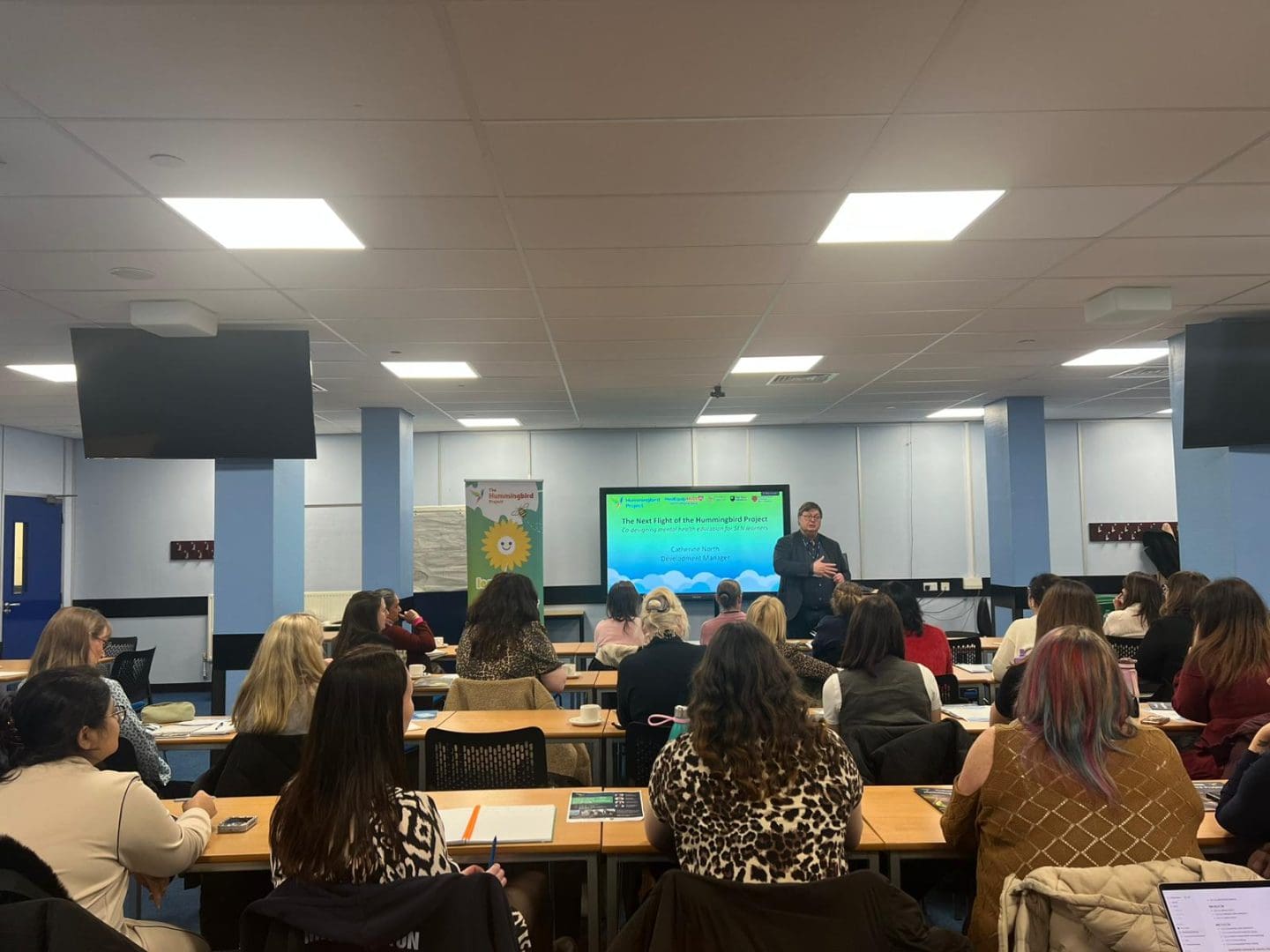
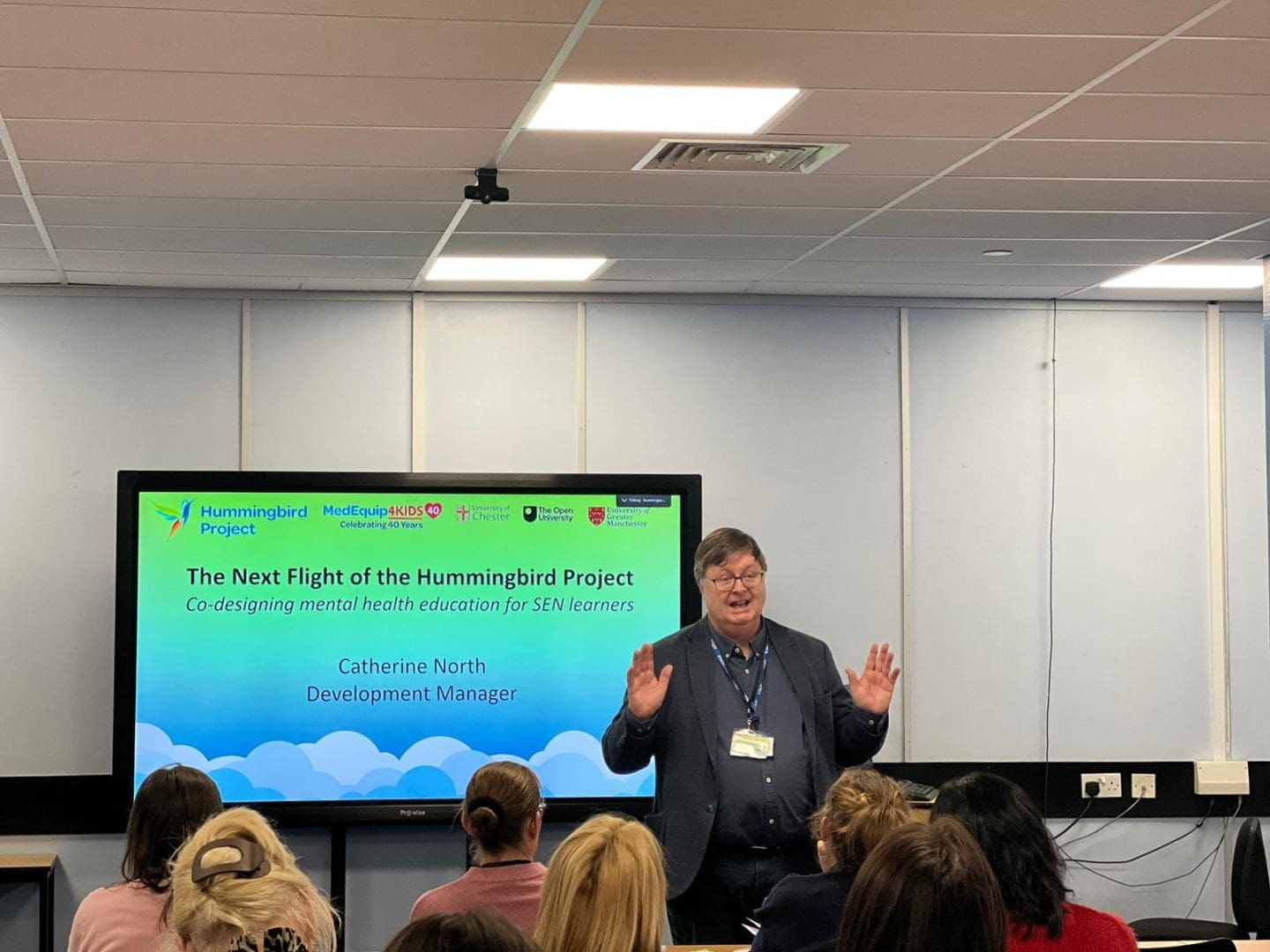
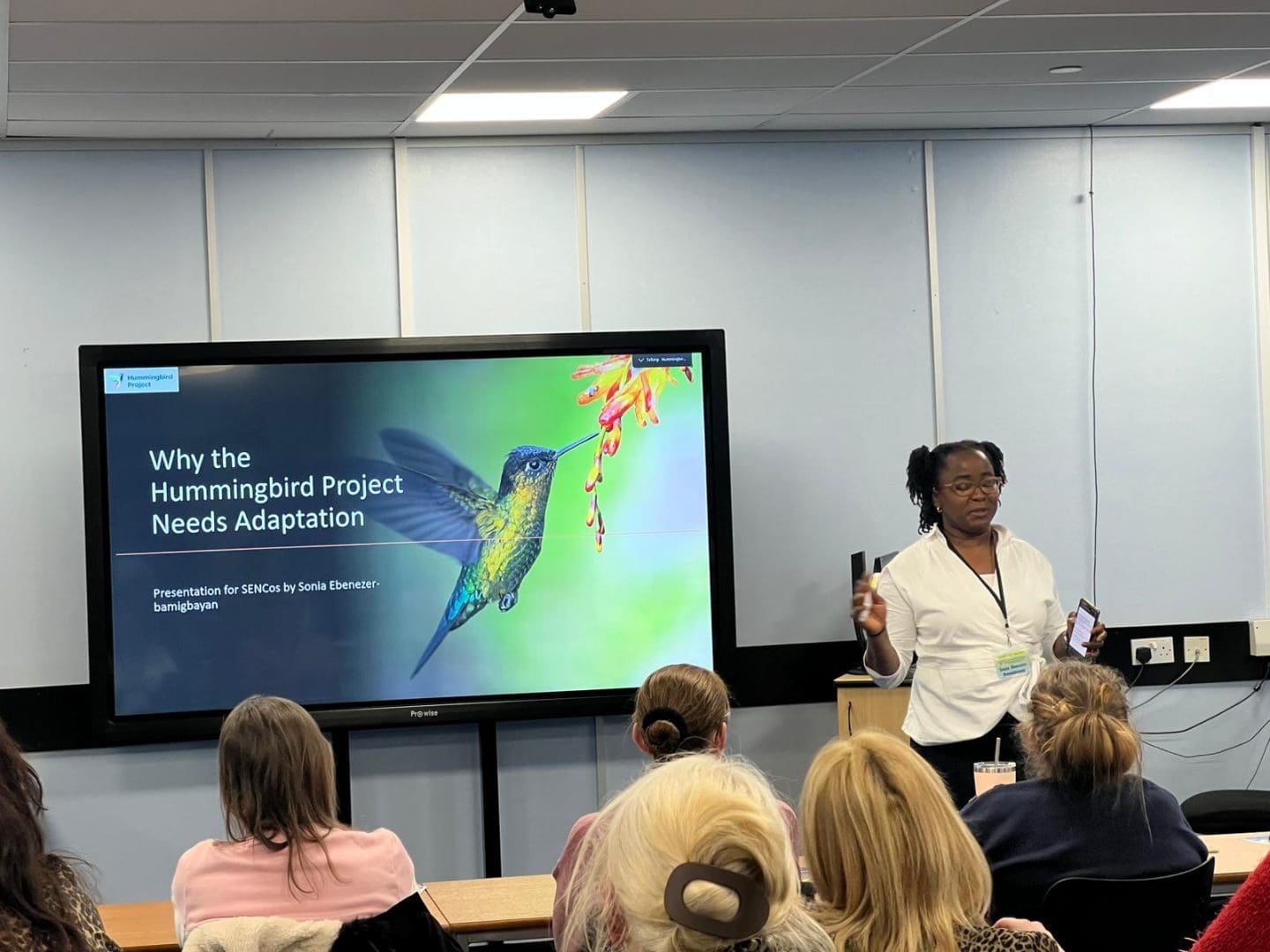
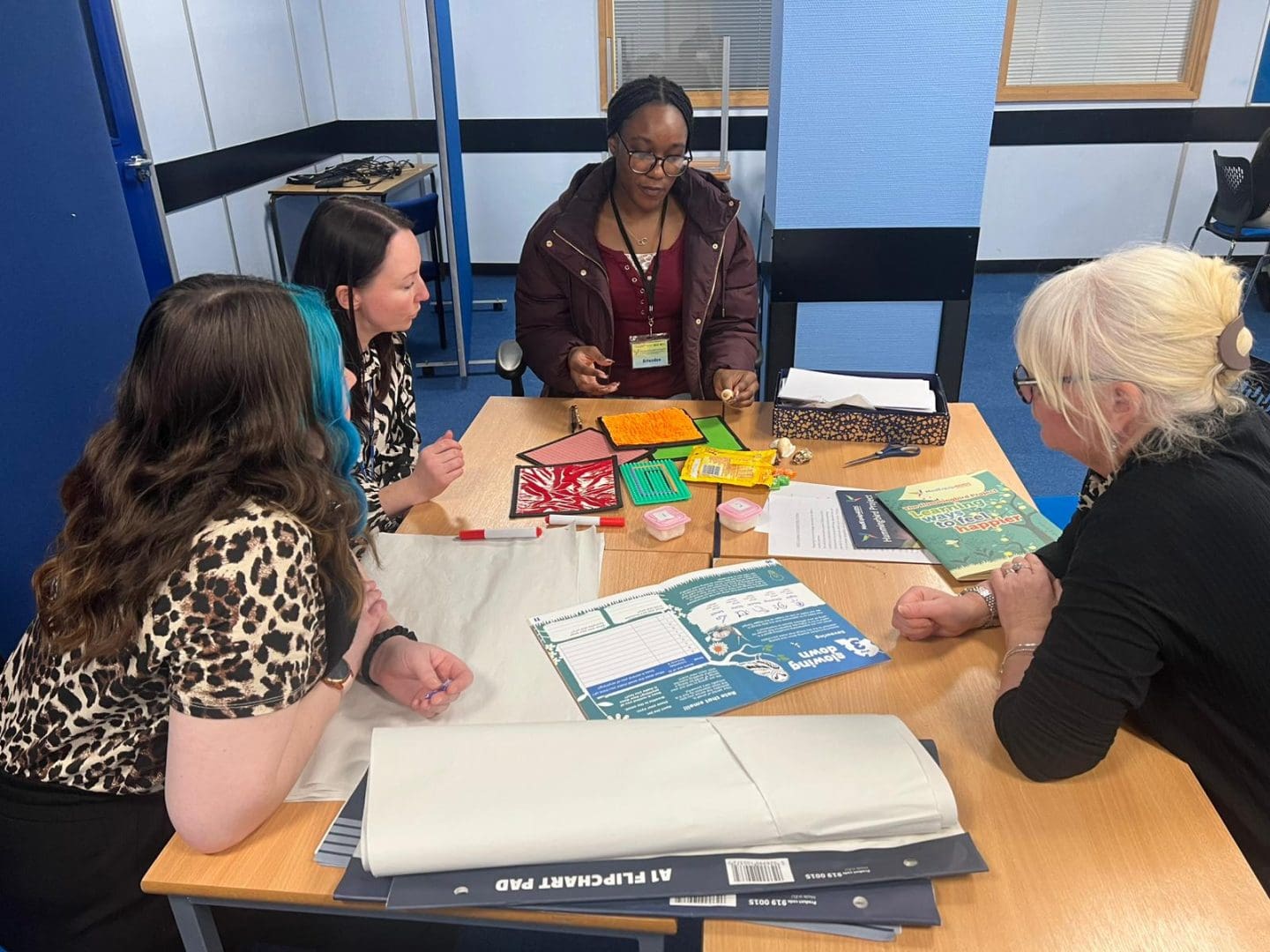
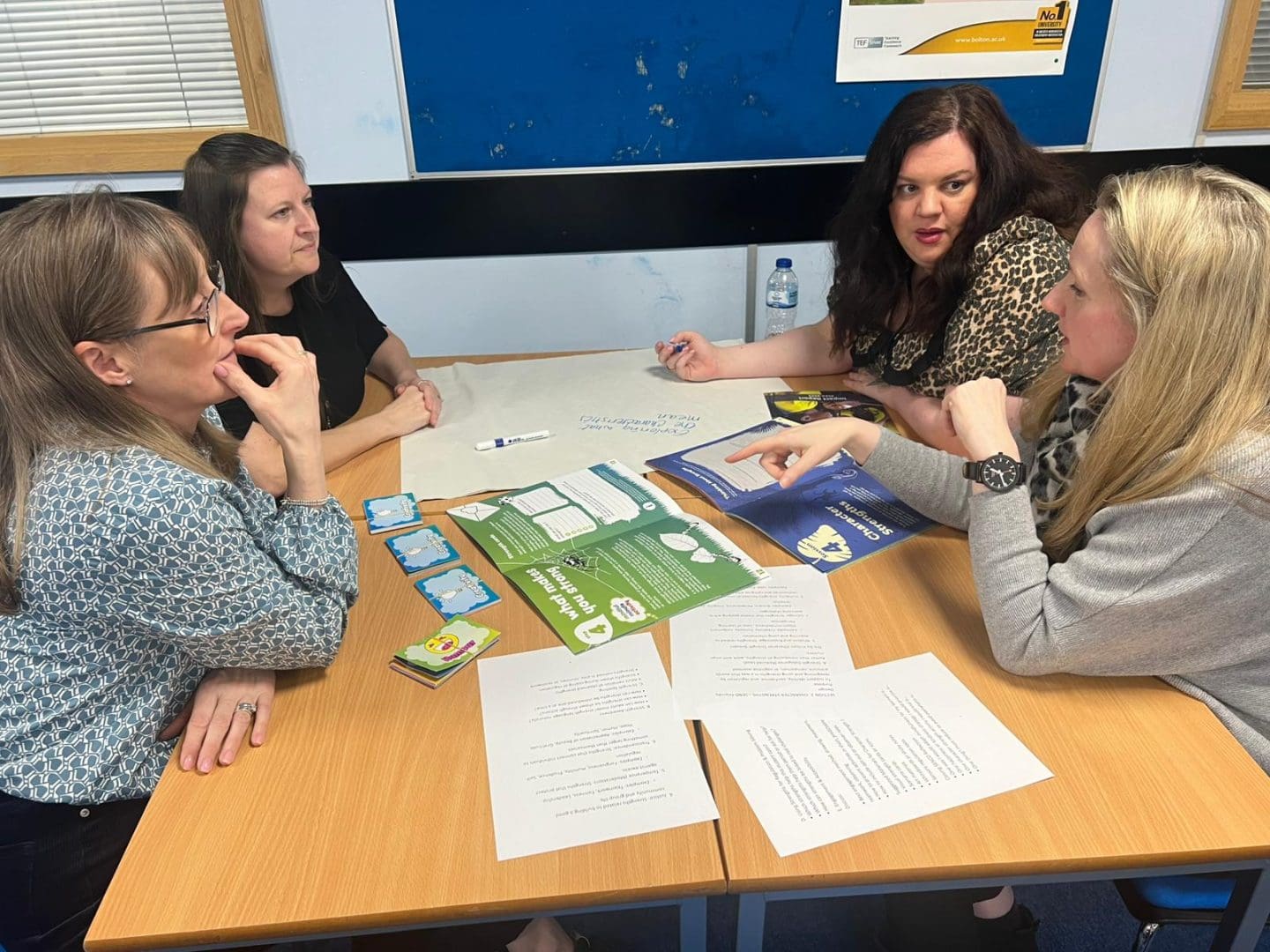
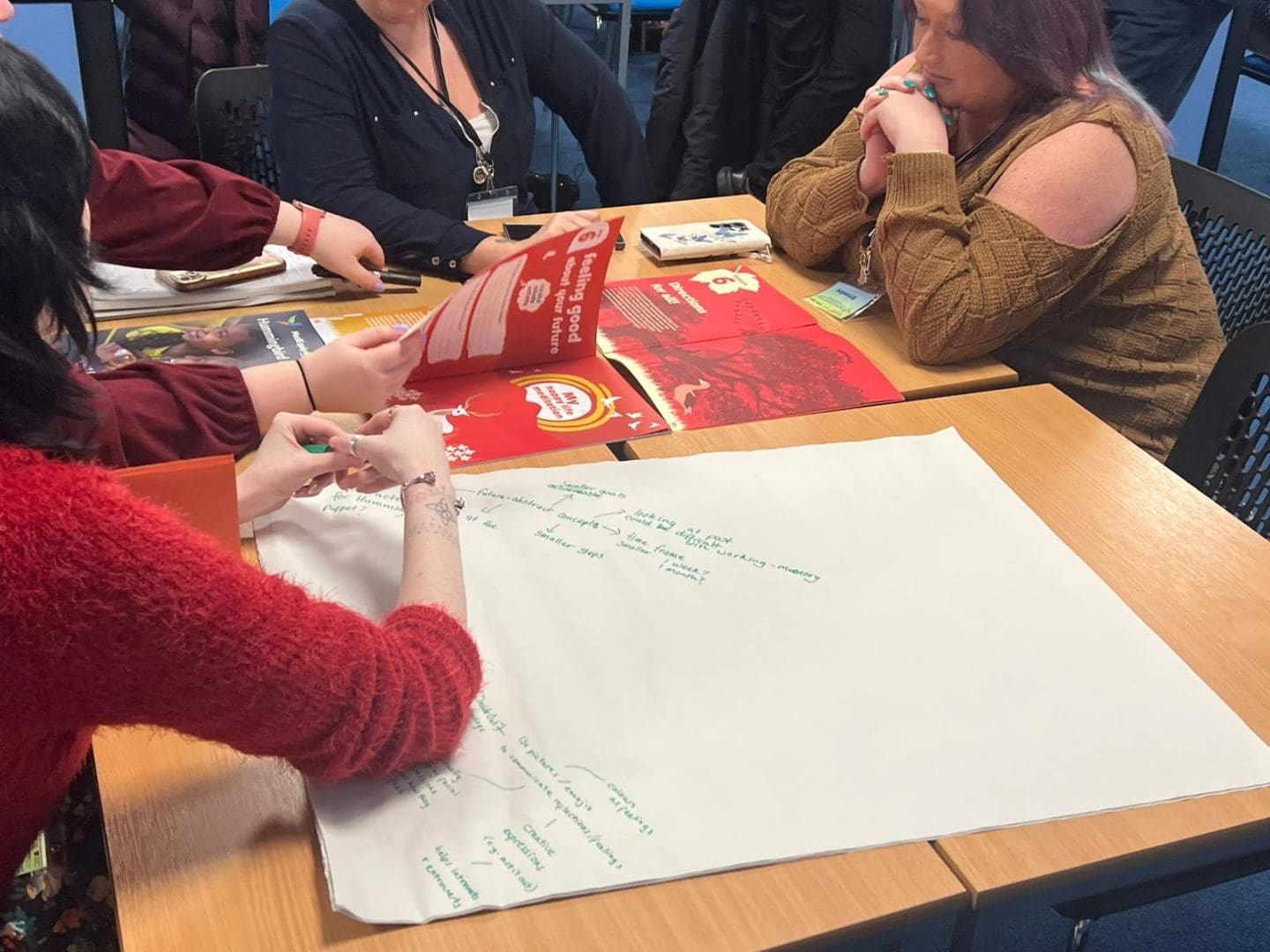
Following the presentations, attendees took part in facilitated group discussions, exploring practical and realistic ways the programme could be adapted. Conversations focused on sensory-friendly delivery, communication-accessible activities, flexibility, trauma-informed practice and reducing unnecessary written work. The level of engagement and generosity in sharing professional experience was amazing, with participants co-creating ideas that will now directly inform the next stage of development.
The event was supported by our volunteers and partners, with special thanks to the University of Greater Manchester for hosting, and to everyone who contributed to making the day such a success. Feedback from attendees described the workshop as “thoughtful”, “inspiring” and a reminder that wellbeing work has the greatest impact when it is designed around children’s needs, not systems.
This consultation marks the beginning of a new chapter for Hummingbird SEN. A mailing list has now been established for those who wish to stay involved as the adapted programme is developed. Anyone interested in contributing to future stages of the project is invited to get in touch by emailing catherine@medequip4kids.org.uk.